



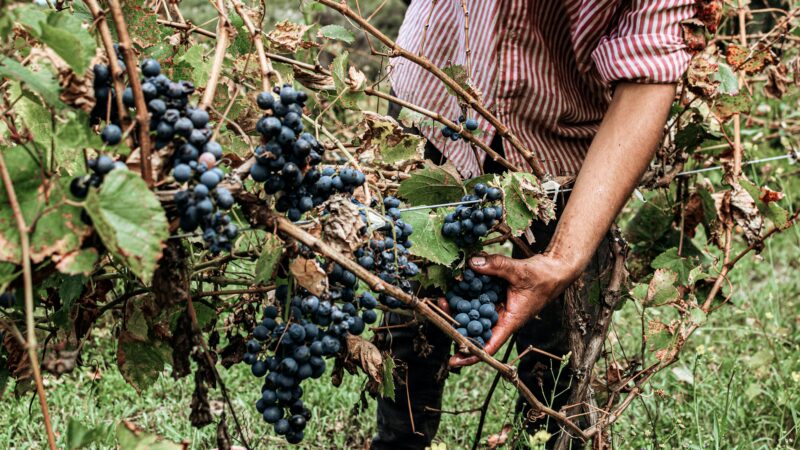
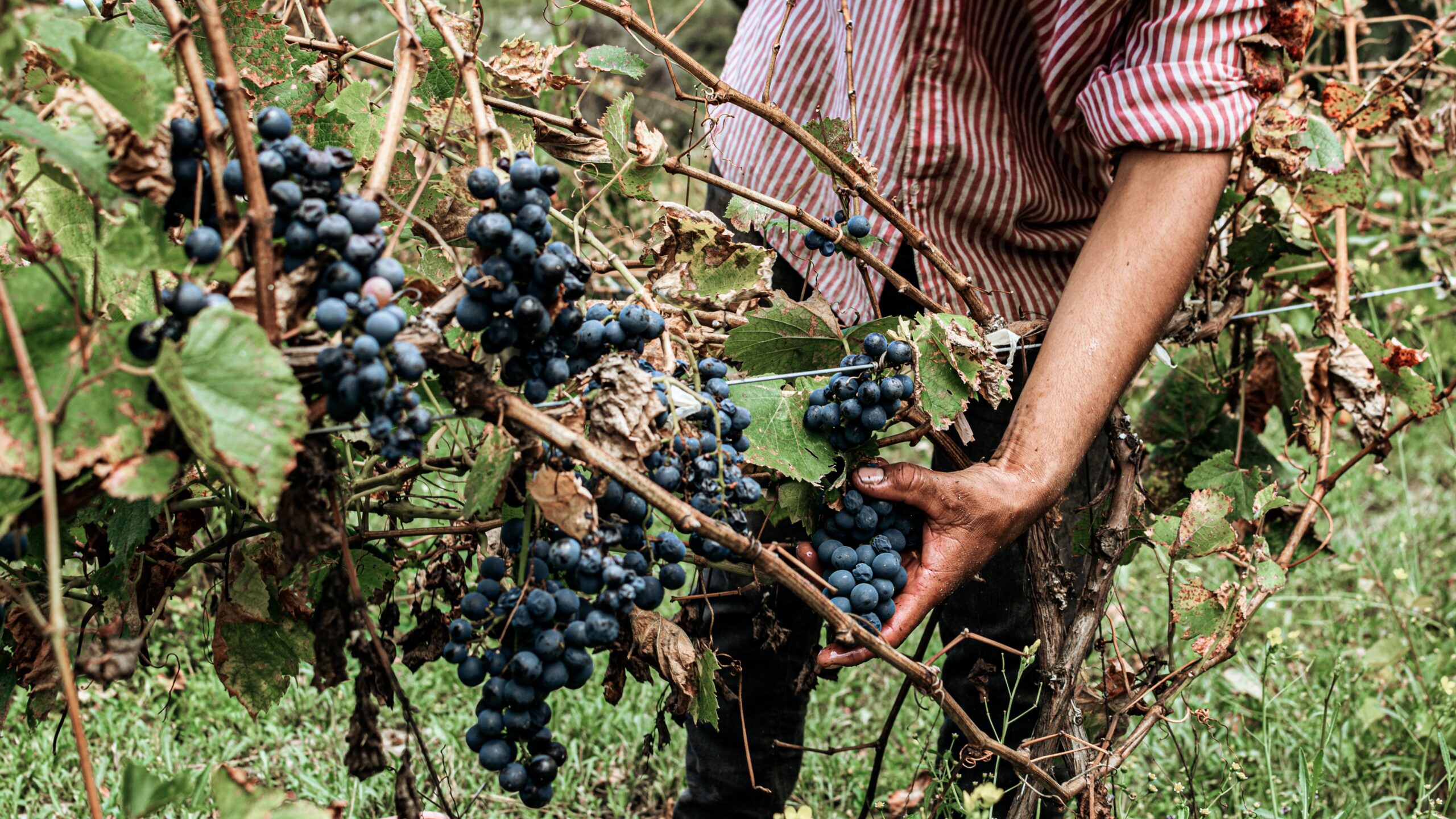
Why be envious because I am generous?
The Twenty-Fifth Sunday in Ordinary Time – Year A
Collect
O God, who founded all the commands of your sacred Law upon love of you and of our neighbour, grant that, by keeping your precepts, we may merit to attain eternal life. Through our Lord Jesus Christ, your Son, who lives and reigns with you in the unity of the Holy Spirit, one God, for ever and ever.
Amen.
Reflection
Both the First Reading and Jesus’ parable in the Gospel clearly expose how our human way of thinking is very far removed from God’s way of thinking. “For my thoughts are not your thoughts, neither are your ways my ways,” Isaiah proclaims. He begins his prophecy by stressing the urgency of seeking the Lord while we can still find him. For, while God is not bound by the limitations of time and space, we are. Therefore, we must not waste time, nor leave things until the last hour, which is fleeting and unpredictable.
And yet, in the Gospel, the parable seems to take another turn when we see that the last become first, and the first last. It is somewhat confusing, but just as God’s ways and thoughts are far higher than ours, as the heavens are higher than the earth, so too does his Kingdom, which is called the “kingdom of heaven”, operate according to different rules and a different economic and commercial logic from the kingdoms of this world.
So, how are we to make sense of these things which, in our eyes, appear to be contradictions? Because, in all honesty, while the master certainly had the right to give everyone the same pay, and he did give those who had worked from the first hour no less than what he had agreed with them, we cannot automatically come to the conclusion that the Lord is somehow promoting laziness, or that it does not matter whether leave it to the last minute to convert and manage to gain our entry ticket into heaven.
Jesus tells this parable after his encounter with the rich young man, who was indeed a good man but could not accept what he still lacked to gain the kingdom of heaven: to sell everything and follow him. In other words, he had to stop placing his security in self-reliance and in what he possessed, and entrust himself entirely to the Lord, who had nothing to offer him in terms of economic stability or protection from the attacks of evil.
The apostles too become confused because, like those who had worked from the first hour, they thought they had earned heaven with their own hands when they left everything to follow Jesus. Yet they had still not left the most important thing behind: they had not yet surrendered the logic of gain. “We have left everything and followed you. What then will we have?” Peter asks (Mt 19:27). They needed to allow their way of thinking to rise higher and to strive towards God’s way of thinking, towards the logic of the kingdom of heaven.
And this makes much sense in a culture that promotes productivity and efficiency to such an extent that it excludes, or regards as a burden, anyone who is no longer productive or who can never be productive. A society that prefers machines because they are more efficient, can remain on round the clock, and have no emotions. An economic system that expects us to be constantly available, with the shop always open, leaving us no time to breathe, no time to spend with our families, no quiet time in which to recover, and no time for prayer, so that our Christian commitment may truly be motivated by love for the Lord of the harvest and not by some illusion that God might somehow be indebted to us.
It comes to no surprise, then, that all this stands in such stark contrast to the dignity that God gives to each one of us by allowing us to share in his work of saving the world, regardless of the amount of work we imagine we must accomplish because of the hunger for fame and power that lingers in our hearts; regardless of whether he has to keep calling us right up to the last hour. For God is a generous Lord who reaches out even to the least of us in order to save us.
Prayer
Lord Jesus, this Word of yours challenges us neither to give up nor to think that we can save ourselves. This Word challenges us to aim high and not to settle for the bare minimum, while at the same time asking us to make room for those of the last hour. Grant us the grace to break from our way of thinking, so that perhaps one day our ways may meet your ways and our way of thinking may draw ever closer to your logic, which is filled with love for us human beings.