



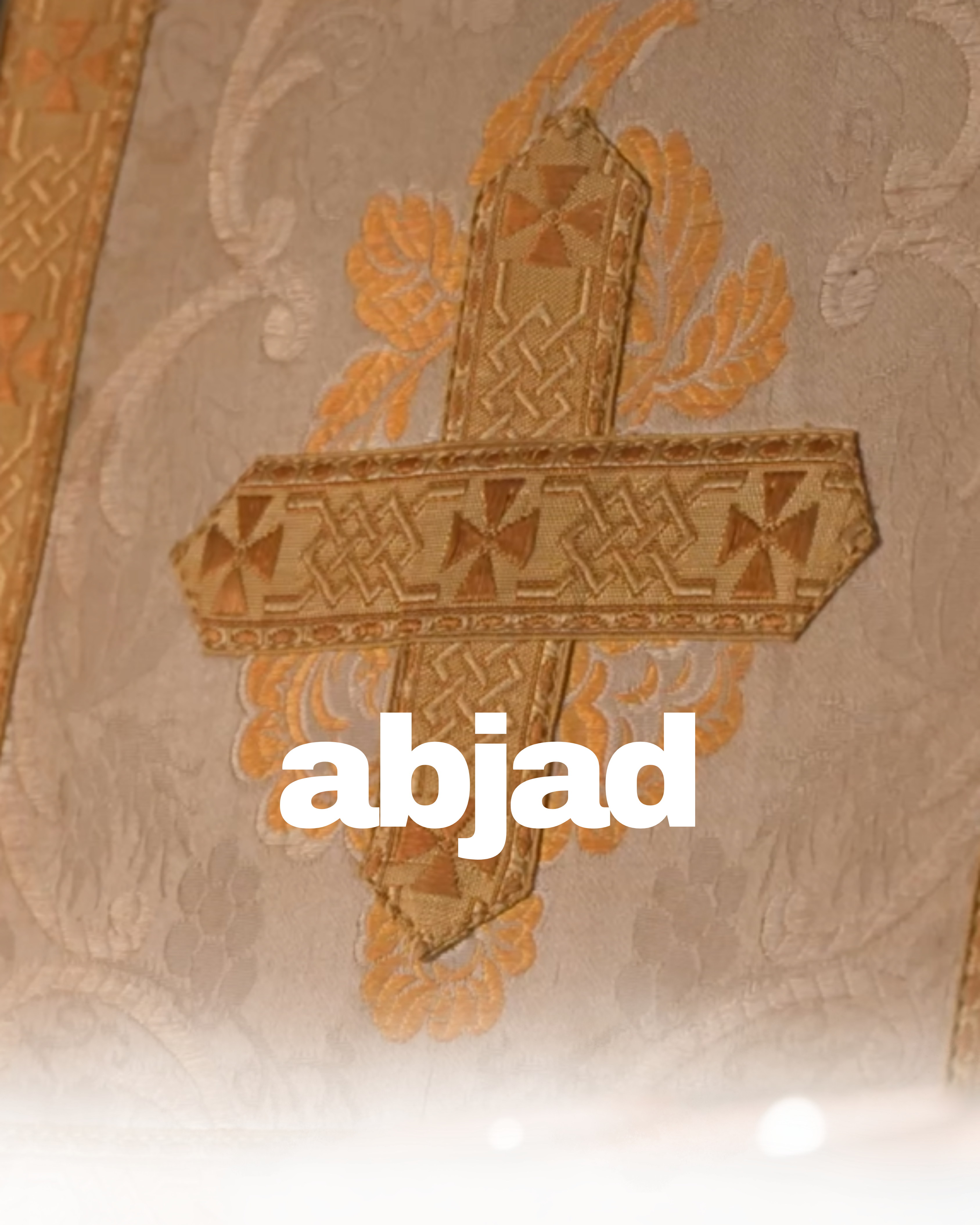
During Eastertide our churches are clothed in white, and the priest wears white vestments at Mass. In the mystery of Easter, what the prophet Isaiah foretold comes to pass: even if our sins are like scarlet and crimson, they become white as snow and wool … the wool of lambs, the colour of the Paschal Lamb. Even when Jesus was transfigured before Peter, James and his brother John, to show them who he truly was—the beloved Son in whom the Father has always delighted—the Evangelists tell us that his garments became “white as light” (Mt 17:2), of a “dazzling whiteness” (Lk 9:29), so much so that “no fuller on earth could bleach them so white” (Mk 9:3)—for this whiteness was a foretaste of the radiance of heaven (see Dan 12:3).
Yes, white continues to be used throughout the fifty days because, even if for us Maltese Easter can seem like the outing after the feast (ix-xalata), following Lent and Holy Week, in truth Easter is the feast. That is why we call it the Great Feast—the feast of feasts. And this holds for the whole of Eastertide, and for our entire life, because although it is woven of moments marked by sorrow and others filled with joy, as we are taught to sing, we carry within all this the white garment we received at Baptism. As a sign of our dignity as children of God, we are called to keep it unstained until eternal life.