



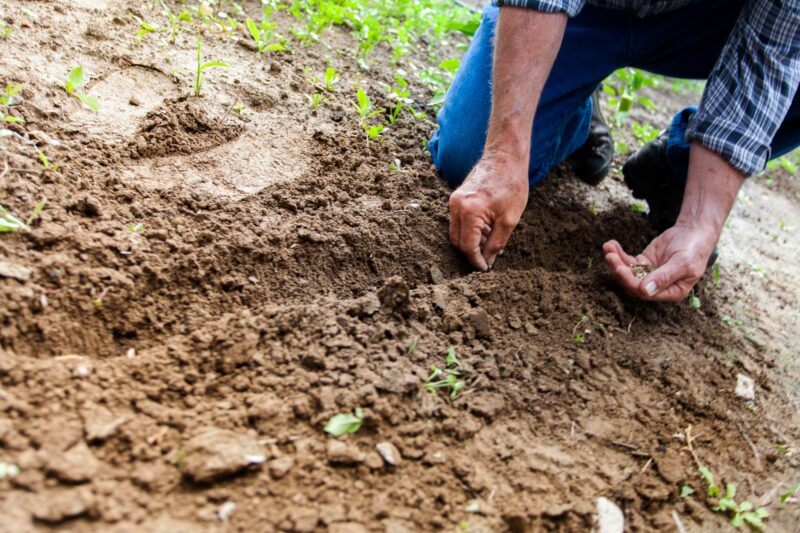
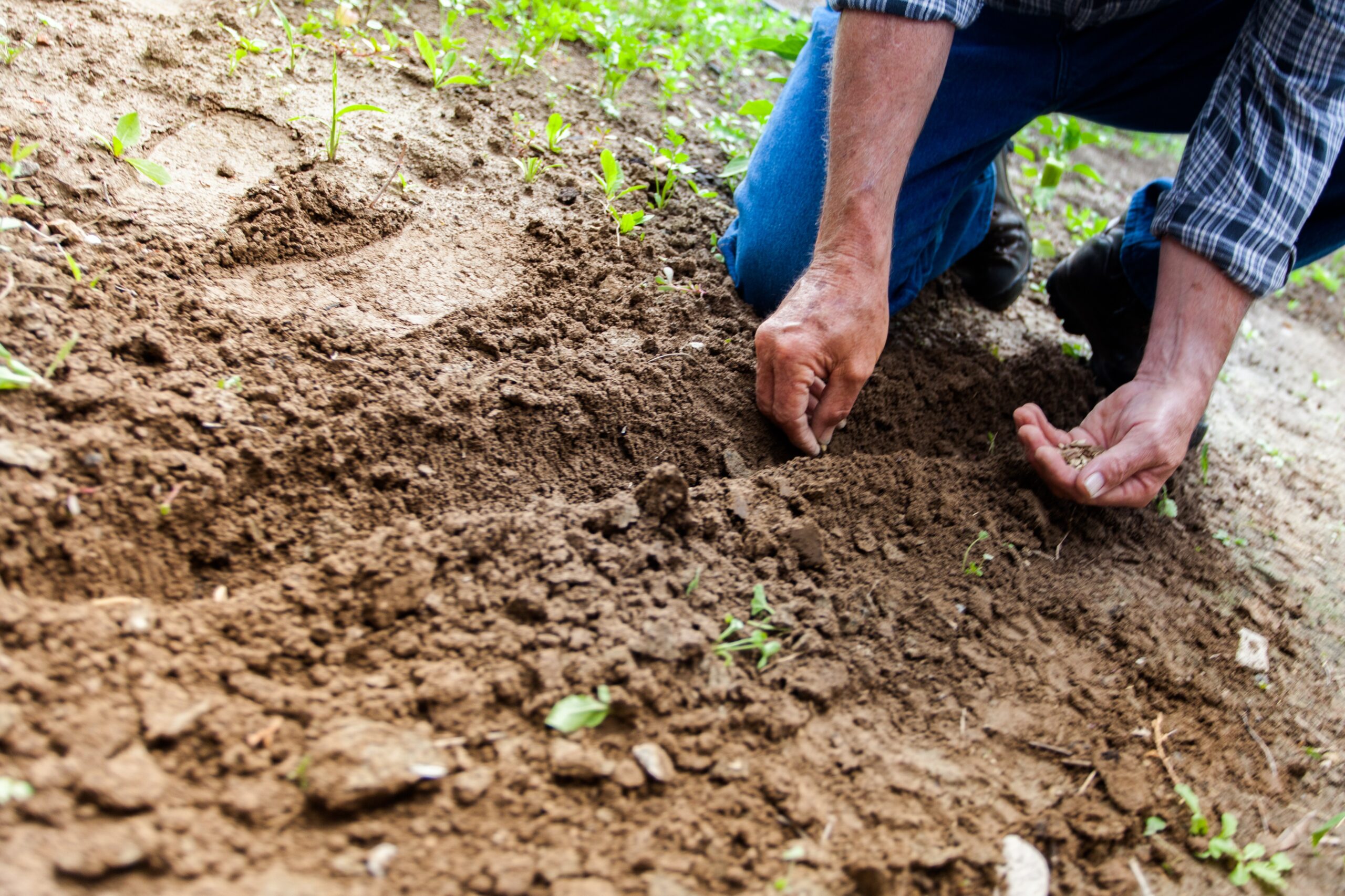
‘Imagine a sower going out to sow’
Fifteenth Sunday in Ordinary Time – Year A
Collect
O God, who show the light of your truth to those who go astray, so that they may return to the right path, give all who for the faith they profess are accounted Christians the grace to reject whatever is contrary to the name of Christ and to strive after all that does it honour. Through our Lord Jesus Christ, your Son, who lives and reigns with you in the unity of the Holy Spirit, one God, for ever and ever.
Amen.
Reflection
On this Sunday we begin reading the third of the five major speeches that provide the framework for Matthew’s Gospel. In this discourse, as we shall also see over the coming Sundays, Jesus tells some of the parables that we call the Parables of the Kingdom of Heaven, a kingdom that is both a present reality and one that is moving towards the final judgement and the experience of the fullness of the righteous in God.
If we take a closer look at this parable and at the explanation that Jesus himself gives when he is alone with the disciples, the greatest difficulty we encounter is not so much its practical and logical meaning, but rather what Jesus says, where he appears to draw a distinction—or, according to the logic of today’s society, to discriminate—between the disciples, who are regarded as insiders and therefore are presumed to have understood the parable without the explanation, and everyone else, whom Jesus seems not to want to understand.
The quotation that Jesus takes from Prophet Isaiah sheds light on what at first sounds senseless to our ears. The truth is that it is not because Jesus did not want them to understand, but precisely because their hearts had become like the hardened path: there was a barrier between them and Jesus. Although they began by listening to him eagerly, they continued to measure what he said according to their own prejudices and fixed way of thinking, which did not allow his word to take root. They felt that his word was not enough to answer the circumstances of their lives; they found it irrelevant; or, worse still, because the answer was not the one they had expected or desired, the thorns of their own expectations choked the word—the very word that alone could have been enough for them, indeed, that could have become their everything.
The same can happen to us. We hear the word of God every Sunday, yet there may still be a barrier that prevents us from allowing it to pierce us to the very heart, so that it may bring about a radical change in the way we think, speak and act. Even if what we do remains outwardly the same—because life is made up of routines—the way we do it can be different, shaped by the mind of Christ. This is not a Christ of our own making, a custom-made Christ, but the Christ who is made known to us through the word that is proclaimed to us.
What also fascinates me about this parable is that it reveals how God never loses confidence in us as human beings. He continues to speak his word to us until, perhaps at last, the hardened path begins to soften and the seed sinks into the soil. He patiently pursues us until, even if our hearts are barren, the seed still grows—if only into a small shrub, like thyme, whose fragrance delights us and whose flavour enriches our food. He keeps sowing the seed of his word until, perhaps, although the thorns of our worries and anxieties are never far away and constantly circle in our minds, we learn to listen more attentively to his words, “Come to me” (Mt 11:28), which we heard last Sunday, rather than allowing anxiety to consume us from within. He remains patient until, perhaps at last, we become good soil that bears fruit, even if at times we resemble those who refuse to listen, until eventually our hearts yield and are softened.
Prayer
Lord, confronted with this parable, which we have heard so many times, sow your word and your trust in me once again, so that the seed may take root, mature, and bring me to maturity. May it ensure that our lives are not wasted in emptiness and futility, but are truly lived as part of the Kingdom of Heaven, which is already here among us and yet is still moving towards its complete fulfilment. Amen.